First Communion guest book ideas: how to get the whole family to sign
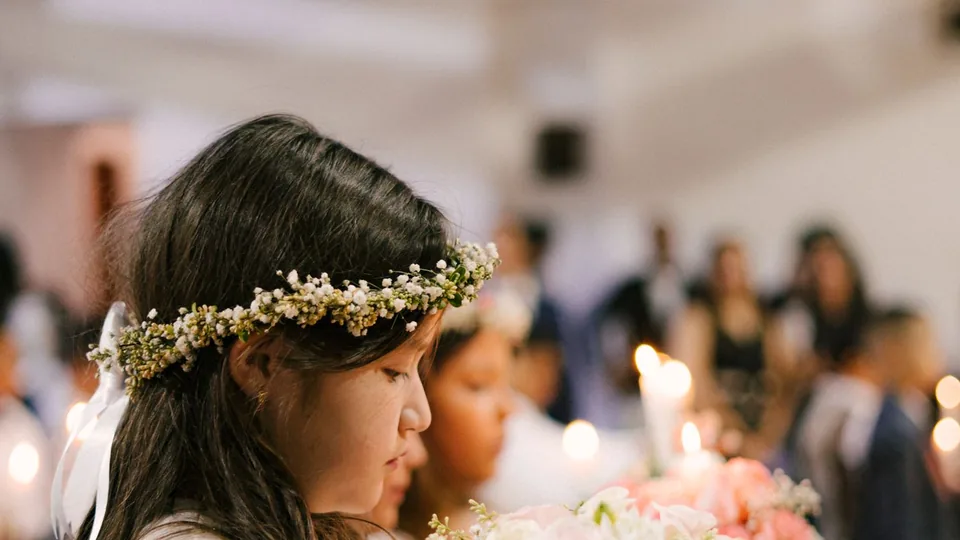
A First Communion has a feel all its own. A mix of nerves, family, kids running around, emotional grandparents and a table that never quite sits still. In the middle of all that, a First Communion guest book can become a beautiful keepsake.
The problem is the usual one: if the book sits on a table and nobody remembers it, it stays half empty. And at a First Communion it happens even more, because the family is busy with the child, the meal, the little cousins, the photos and making sure nobody stains the outfit too early.
That is why a QR code works so well. It does not take away the charm of the book. It makes it easier. Guests sign from their phones, with nothing to download, and the family keeps messages and photos to read when the child is older.
Why use a QR code at a First Communion
At a wedding there are usually more adults paying attention to the details. A First Communion moves at a different pace. The kids want to play, the grandparents sit down to greet everyone, the parents rush back and forth, and many guests never make it to the guest book corner.
A QR code removes that friction. Put it at the entrance, on the tables or next to a small sign. Each person scans, writes and sends from their phone, and can add a photo of the day.
It is especially useful for:
- Grandparents who want to leave one simple line.
- Aunts, uncles and godparents with longer messages.
- Family friends who never know what to write on paper.
- Children who take part with an adult's help.
- Relatives who could not attend.
- Guests who would rather write later, in their own time.
To see the whole thing, take a look at the digital First Communion guest book.
A keepsake for when they are older
A First Communion is full of emotion in the moment, but the real value of the book shows up years later. When the child no longer remembers every detail, they will be able to read what their grandparents, their godparents, their aunts and uncles wrote, or that family friend who always brought candy.
A simple message can carry a lot of weight:
"Today we saw you happy, surrounded by the people who love you. I hope you keep this day as a lovely memory."
It does not need to be perfect writing. It needs to be written with love.
And if the book is digital, the day's photos stay next to the words: the dessert table, the cousins together, a picture with the grandparents, the cake, or a family photo that may not have made the official set.
Where to put the QR code at the celebration
Placement matters enormously. The QR code should be where people are already looking or waiting.
It works well:
- On the welcome table.
- Next to the favors or keepsake cards.
- On each table at the restaurant.
- Near the dessert table.
- On a card beside the paper book.
- In the family group chat.
- At the photo backdrop.
A clear line helps: "Scan and leave a message to read when they are older."
That idea works because it connects with what a First Communion really feels like. You are not asking for a signature out of duty. You are inviting people to leave a memory for the future.
How children can take part
Children can be part of the book too, but make it easy for them. Do not expect a long message. A short line, a photo or a picture of a drawing can be enough.
You can suggest openers such as:
- "My favorite part of your First Communion was..."
- "I hope today you have..."
- "You're my friend because..."
- "I wish you..."
If they are very young, an adult can write for them. What matters is that their voice is in there too.
In a digital book, a group photo with a short line can feel more natural than making them write in a paper book when all they want is to get back to playing.
Messages from grandparents, aunts, uncles and godparents
A First Communion does one lovely thing: it brings generations together. And each generation writes differently.
Grandparents tend to leave simple, deep lines. Aunts and uncles mix affection and humor. Godparents may write something more spiritual, about being there along the way. Family friends usually go for warm wishes.
To help them, prepare a small card with ideas:
- A wish for their future.
- A memory from when they were little.
- Something you admire about them.
- A line to read ten years from now.
- A blessing or a family wish.
If you need ready-made examples, there is a full guide to First Communion guest book messages.
Paper book and QR code: the nicest combination
You do not have to choose. Put a paper book on a table with flowers, a photo of the child and a nice pen, and next to it a QR code for anyone who prefers to sign from their phone.
The paper book is lovely for those who want to write by hand. The QR code brings in more people, photos, and messages from those who never walk over to the table.
The mix works because it respects the family tone of the day and adds convenience. Nobody feels they have to learn something complicated. They simply have another way to take part. The how it works page shows what guests of every age will see.
Ideas so it does not stay empty
A guest book does not fill itself. It needs to be visible, a small reminder, and something that makes it different.
Some ideas:
- Ask each guest to attach a photo with the child: every message sits next to its picture.
- Put a question on the sign: "What do you wish for them when they turn 18?"
- Have the grandparents record a short voice note, if you have turned that option on: their voice is what the family treasures most years later.
- Ask the grandparents or godparents to sign first.
- Share the link in the family chat before the meal.
- Set out a card with three opening lines.
- Put the QR code on the tables, not just in one corner.
- Ask someone you trust to mention it naturally.
- If there is a screen, show a few messages at a quiet moment.
No need to insist. Just keep it present.
When to share the link
You can share it before, during and after.
Before the First Communion, it collects messages from those who cannot come and from relatives who prefer to write unhurried. During the celebration, the QR code brings in the people who are there. Afterward, it lets people add the photos and messages that were left pending.
The day goes by fast. Keeping the link open for a few days around the First Communion makes the keepsake more complete.
Frequently asked questions
What is a First Communion guest book with a QR code?
It is a digital book where guests leave messages from their phones by scanning a QR code or opening a link.
Do guests need to install an app?
No. They sign from their phone's browser, with nothing to download.
Can children take part?
Yes. They can write short lines with an adult's help or leave a photo with a simple message.
Does it work for relatives who are not attending?
Yes. Text them the link so they can take part from home.
Can guests add photos?
Yes. Each guest can add one photo to their message.
Is it better than a paper book?
It does not have to replace it. Many families combine a paper book and a QR code to keep more messages.
When should I share the link?
A few days before, during the celebration and afterward too, to collect messages without rushing anyone.
Create the First Communion guest book
If you are planning a First Communion, think of the book as a gift for the future. Not only for the day of the meal, but for when the child can read all that love with different eyes.
You can create a First Communion guest book, share the QR code and let the family write from their phones, with no hurry and no complications.
Related articles
Baptism guest book messages: 30 examples and how to write your own
Lines for parents, godparents, grandparents and friends, and a three-step formula so your message does not sound like a greeting card. Written to be read when the child is older.
7 min
Baby shower guest book: messages, advice and predictions for the parents-to-be
A baby shower is the last party before the baby arrives. How to turn the guests' messages, advice and guesses into a book the parents will read in peace, and one day the child will too.
8 min
A guest book for a wedding anniversary: messages and photos from the people who were there
A silver or golden anniversary brings together people who were at the original wedding and people who came along later. How to collect their messages and old photos in one book.
8 min